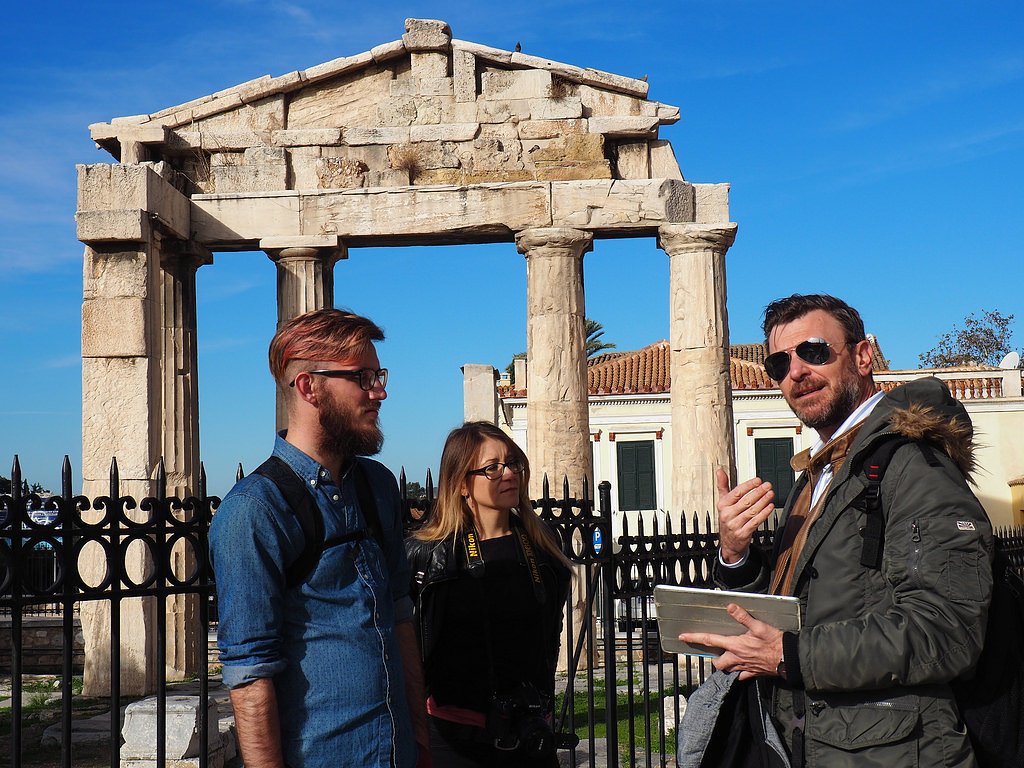
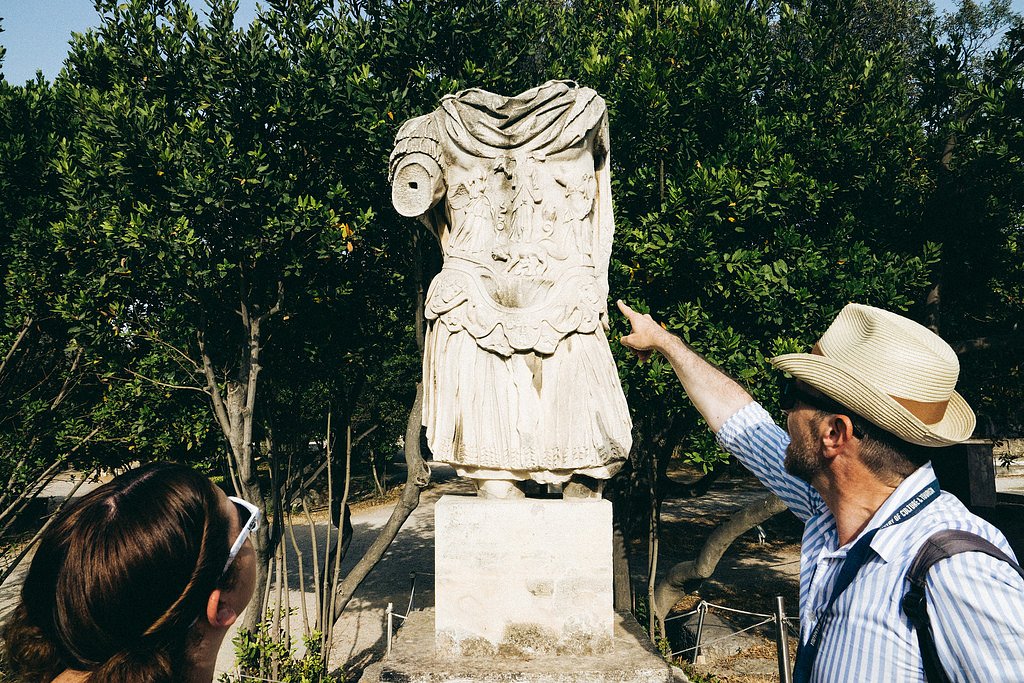
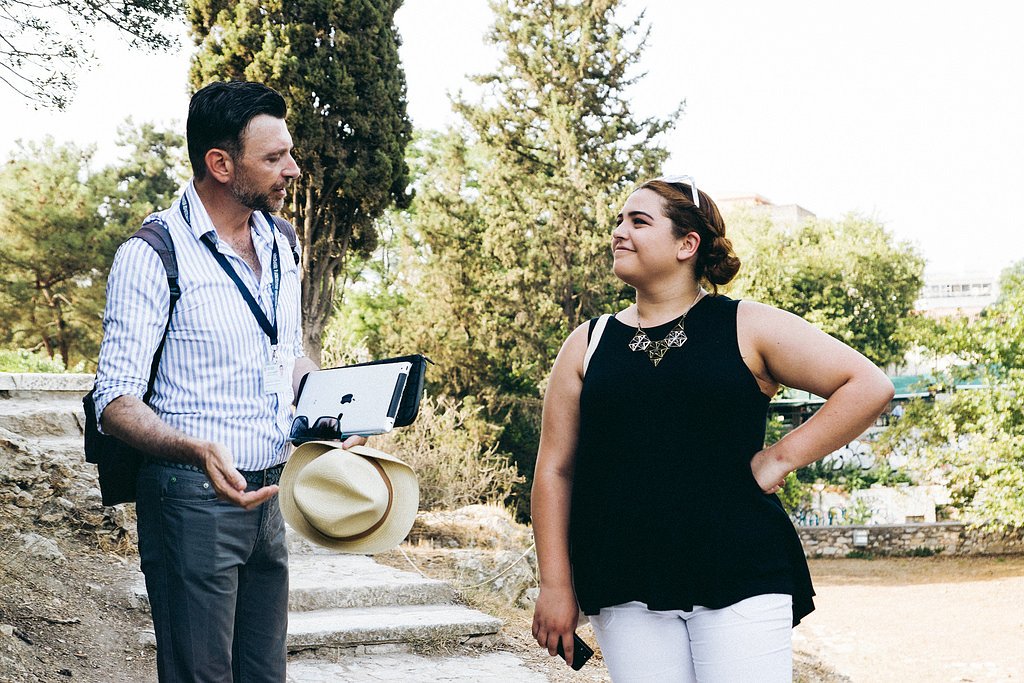
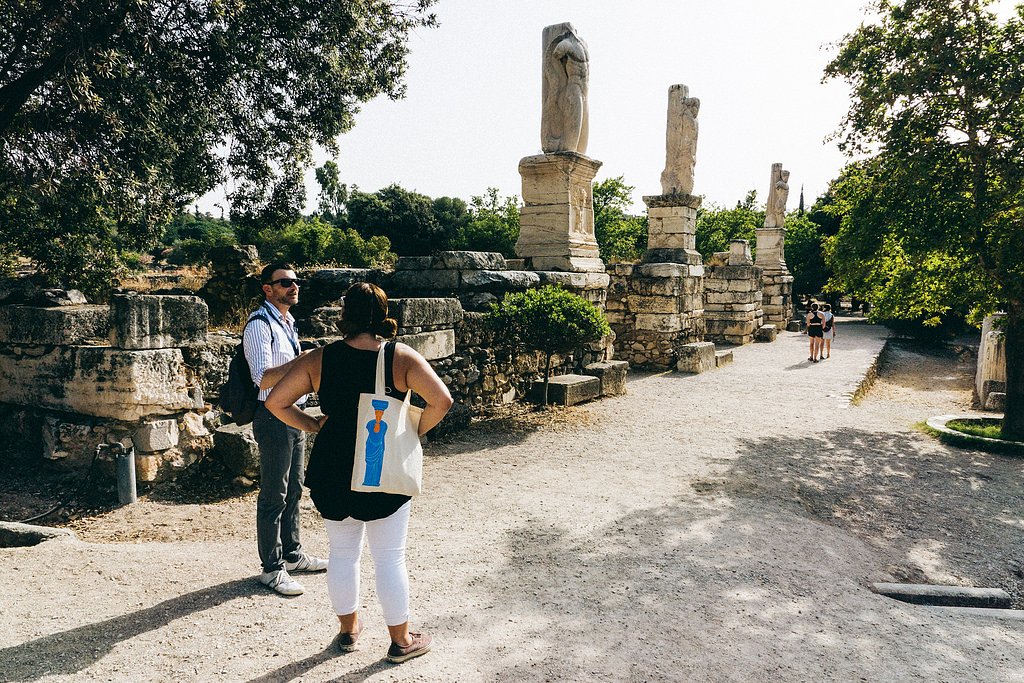
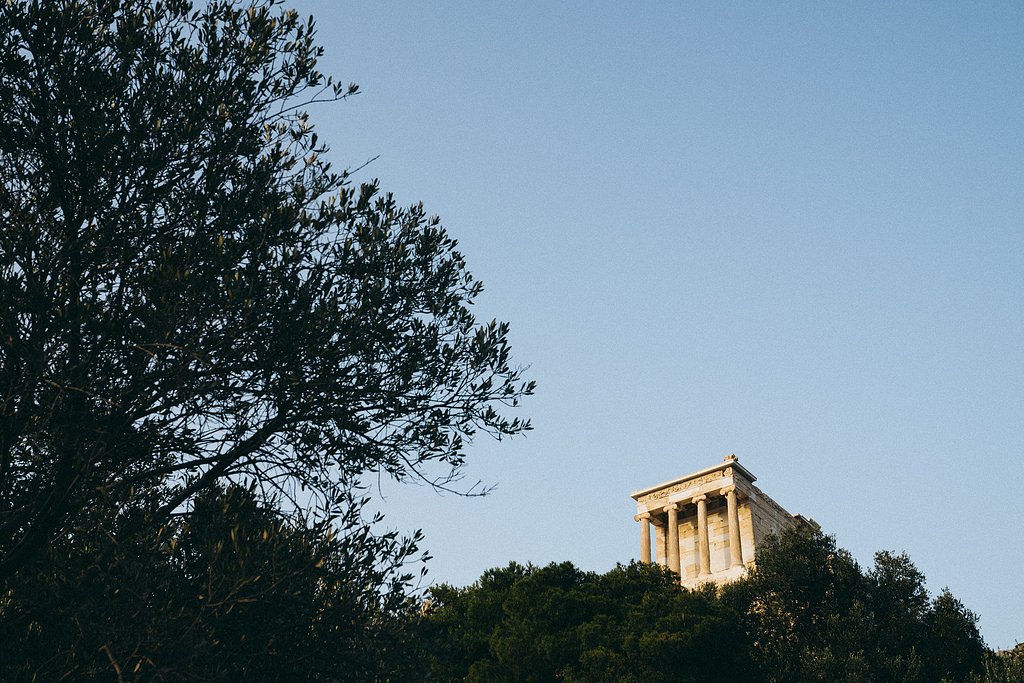
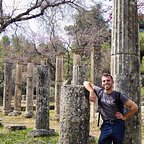
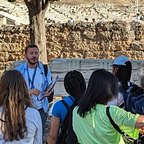
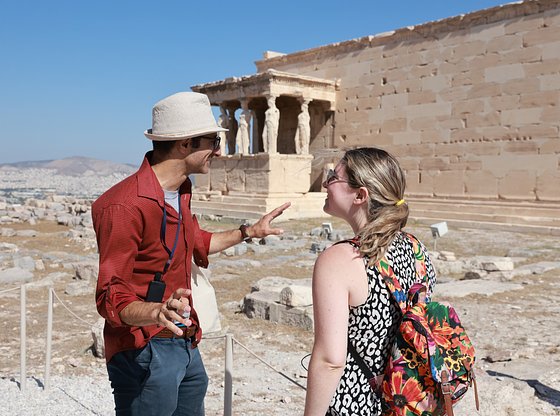
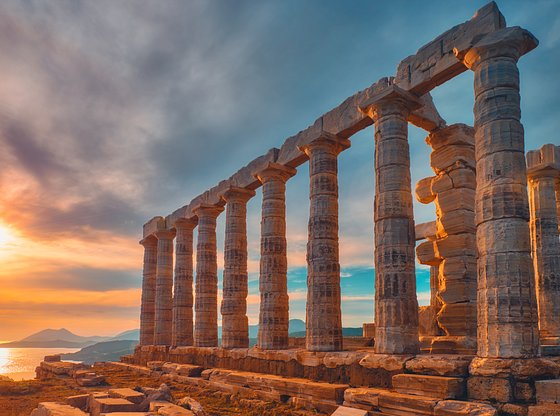
Athens can look like a puzzle at first, with broken columns, layered stones, and fragments that seem to whisper from different centuries. The Ancient Agora brings that puzzle into focus as the heart of daily life in the antique city. With an archaeological scholar, read the landscape through its visual clues and begin to rebuild the world that once stood here.
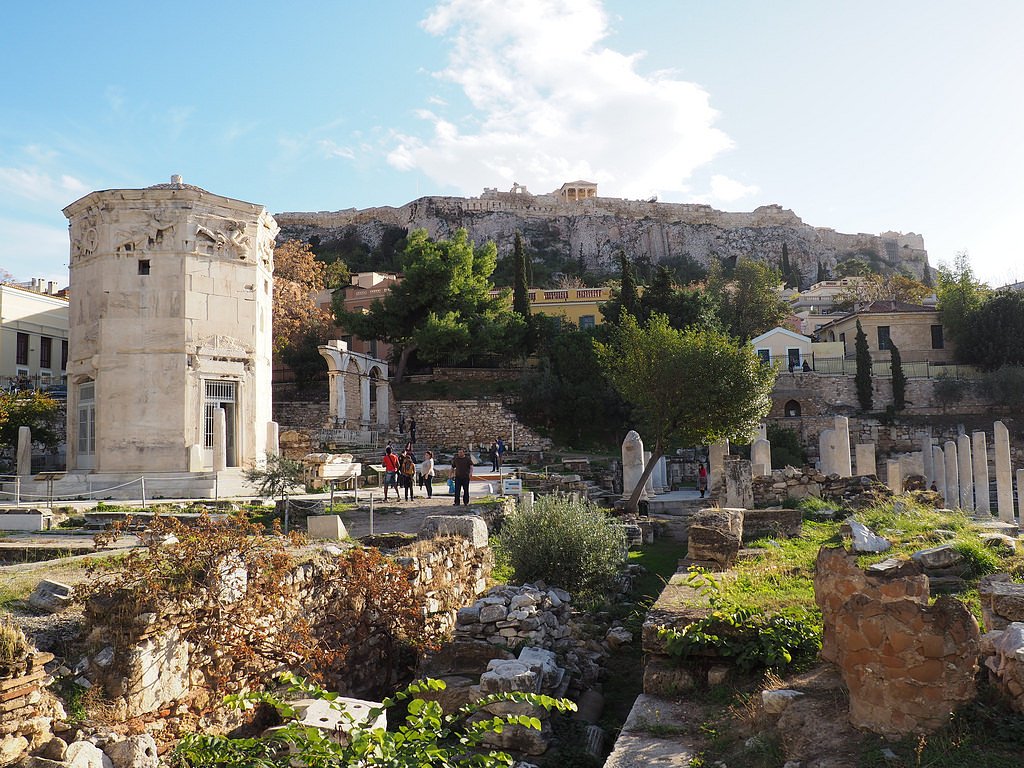
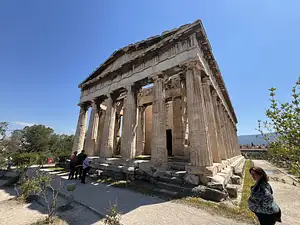
The Agora spans more than 2,000 years, so interpretation matters. Your Expert helps separate the noise, drawing attention to the Stoa, Hephasteion, and Odeion of Agrippa. What did these buildings do for the people who crossed this space to discuss, trade, gather, and listen?
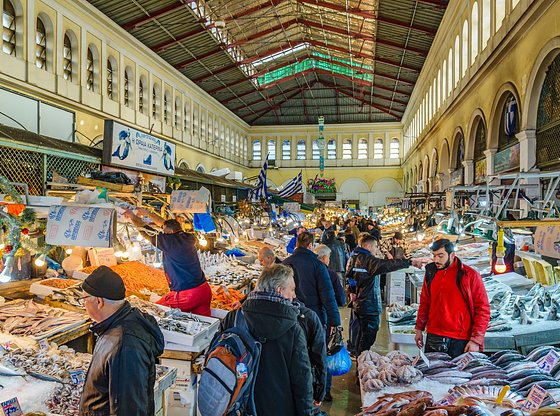
The walk also opens onto the economic life of ancient Greece. As Athens grew, systems of trade and commerce became more complex, shaping the city’s social and political rhythms. Inside the museum of the Stoa, excavated finds give texture to that story, turning objects into evidence of ordinary choices, habits, and ambitions.
From this point, the route may shift according to the day, the group, and the Expert’s reading of the site. Kerameikos offers a powerful lens on burial practice and how ancient Athenians approached death. In Plaka, structures such as the library built for Emperor Hadrian help trace the city after Roman conquest in the first century BCE. How does a Greek city change when a new empire begins writing itself into stone?
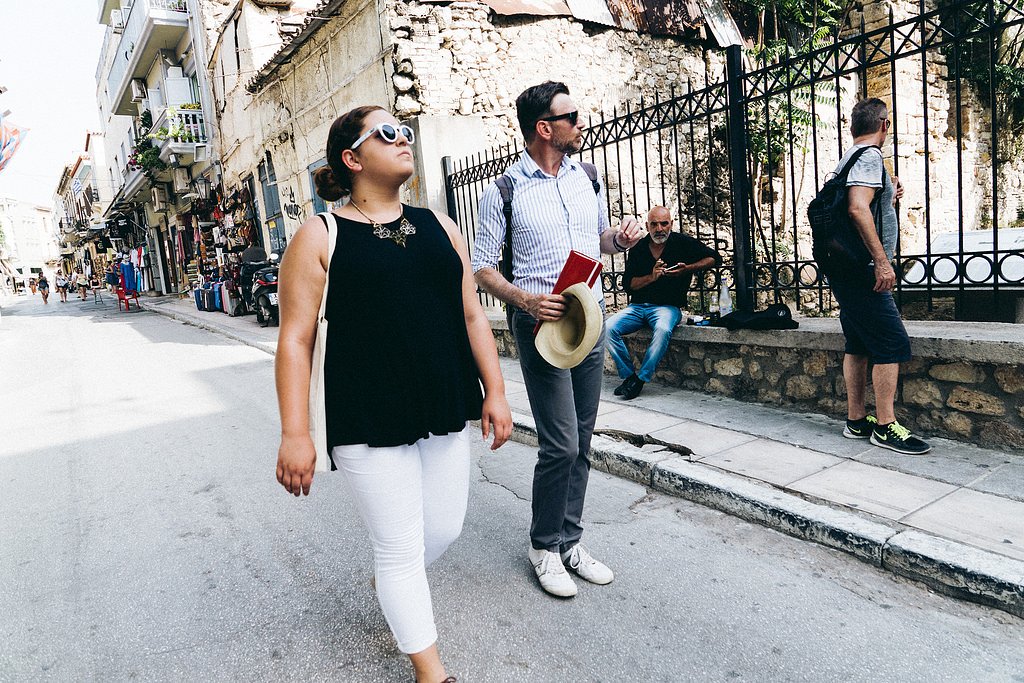
The experience closes among the leafy streets of Plaka, with ancient Athens feeling less distant and far more legible. Instead of leaving with a list of ruins, come away with a clearer sense of how normal people lived across classical and post-classical periods. Politics, ritual, commerce, and neighborhood life start to connect, and the city’s fragments begin to speak in full sentences.